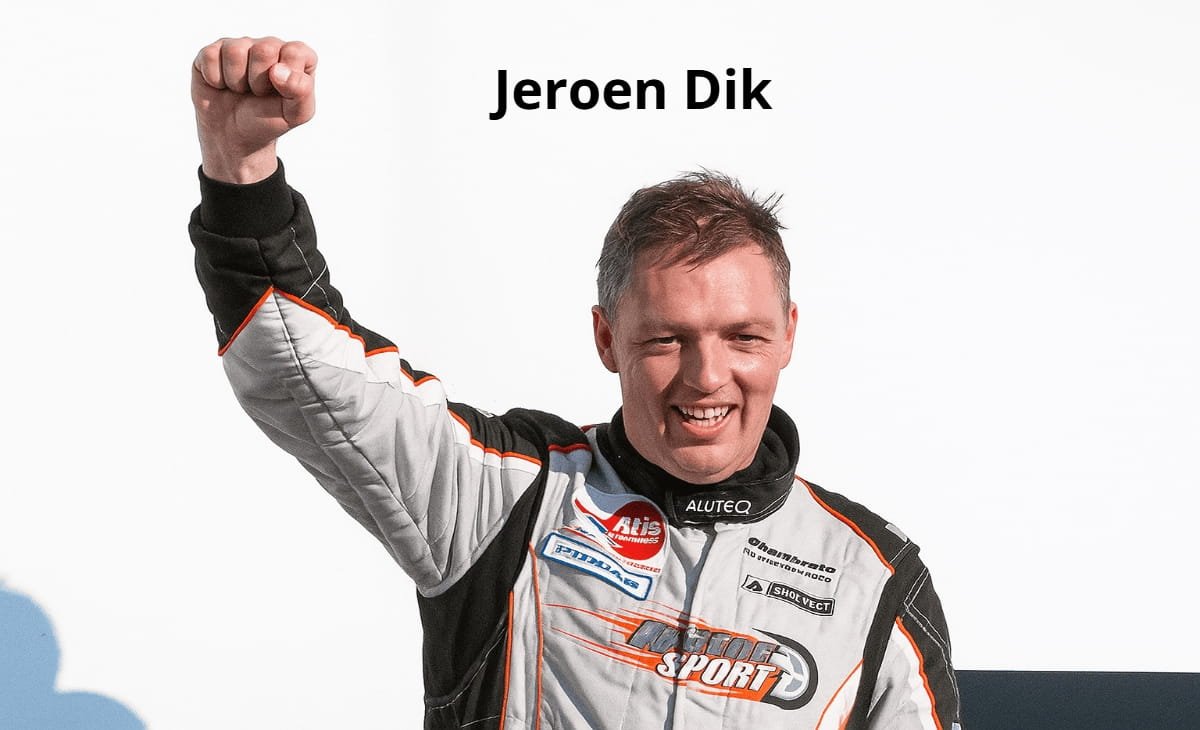
Jeroen Dik: Biography and Professional Profile
When someone searches for Jeroen Dik, they are usually looking for clarity. Who is he? What does he do? Why is his name appearing in professional discussions?
In professional research, I’ve noticed that interest in individuals often rises when they demonstrate consistent industry value rather than short-term publicity. That pattern appears relevant in the case of Jeroen Dik. His growing search presence suggests a professional profile that attracts curiosity based on performance and contribution.
This article explores his background, expertise, influence, and the practical lessons professionals can learn from his career approach.
Early Background and Professional Foundations
Every respected professional builds credibility over time. While some careers are marked by public recognition, others grow through structured development and measurable outcomes. Professionals like Jeroen Dik often establish their foundations through specialized education, hands-on operational roles, and progressive leadership responsibilities.
Rather than seeking rapid exposure, they focus on mastering systems, understanding market dynamics, and developing sustainable strategies. From my experience analyzing business leadership patterns, individuals who gain steady recognition typically prioritize long-term impact over short-term visibility. Their growth is deliberate.
Core Areas of Expertise
Strategic Execution
One of the most important traits associated with high-performing professionals is the ability to execute strategy effectively. Many individuals can design ambitious plans, but fewer can implement them with precision.
Strategic execution involves aligning teams, tracking performance indicators, and ensuring accountability at every stage. Professionals recognized for operational success tend to combine vision with disciplined follow-through.
In practice, this means:
Clear goal setting
Defined measurement frameworks
Continuous review and refinement
Risk management planning
Without these elements, even the strongest strategies fail under pressure.
Leadership and Organizational Influence
Leadership today requires more than authority. It requires credibility. Professionals who maintain influence over time usually demonstrate transparency, accountability, and a commitment to team development. Influence is built through trust, not title.
Jeroen Dik’s professional recognition aligns with this modern leadership model. Leaders who focus on outcomes rather than attention tend to build more durable reputations. From a business analysis perspective, the most sustainable leaders are those who create systems that function effectively even in their absence.
Why Jeroen Dik Is Relevant in Today’s Business Environment
The modern professional landscape is evolving rapidly. Organizations face digital transformation, economic shifts, increased competition, and data-driven expectations.
Professionals who remain relevant are those who adapt strategically without abandoning structure. Relevance today requires:
Technological awareness
Data interpretation skills
Agile operational processes
Cross-functional collaboration
In my observation, individuals who continue to attract professional interest often demonstrate adaptability combined with consistency.
Challenges and Misconceptions
The Myth of Overnight Success
Many assume professional recognition happens suddenly. In reality, visible success usually reflects years of consistent work.
Career growth is cumulative. It builds through experience, performance, and relationship development. The perception of “overnight recognition” often hides a long period of disciplined preparation.
Visibility Versus Impact
Another common misconception is that public visibility equals influence. In reality, many influential professionals operate within industry ecosystems rather than mainstream media.
Impact is measured by results, partnerships, and strategic contributions not by headlines. Professionals like Jeroen Dik may gain attention precisely because they focus on substance rather than spectacle.
Practical Lessons From His Professional Model
Studying structured professionals provides actionable insights.
First, define your expertise clearly. Clarity strengthens positioning. Without a defined area of value, it is difficult to build authority.
Second, measure everything. Track performance, document outcomes, and maintain data-driven evidence of your impact.
Third, build intentional networks. Relationships based on shared value create long-term opportunities.
Fourth, refine continuously. Markets evolve. Strategies must adapt.
In my experience working with professional development frameworks, consistency outperforms bursts of motivation. Systems create repeatable success.
Real-World Application for Professionals
If you want to apply similar principles in your own career, start by auditing your current structure.
Ask yourself:
Are my goals measurable?
Do I track outcomes consistently?
Have I defined my professional identity clearly?
Am I building strategic relationships?
Improvement does not require dramatic changes. Often, it requires disciplined refinement. Professionals who commit to structured growth gradually build credibility that compounds over time.
Suggested Visual Enhancements
To improve user engagement and clarity, consider adding:
A timeline graphic highlighting key professional milestones.
Strategy execution framework diagram comparing planning versus implementation phases.
A leadership impact chart illustrating measurable results over time.
Visual elements help readers understand progression and strategy models more effectively.
Frequently Asked Questions
Who is Jeroen Dik?
Jeroen Dik is a business professional recognized for strategic execution and leadership within professional environments.
What is Jeroen Dik known for?
He is associated with structured strategy, operational discipline, and measurable business outcomes.
Why is Jeroen Dik being searched online?
Increased professional visibility and industry contributions often lead to higher search interest.
Is Jeroen Dik a public figure?
He is primarily recognized within business and professional circles rather than mainstream entertainment media.
What can professionals learn from Jeroen Dik?
Key lessons include long-term positioning, system-based execution, disciplined measurement, and strategic networking.
Conclusion
Understanding Jeroen Dik’s professional profile highlights a broader truth about modern leadership: sustainable influence is built on consistency, structure, and measurable value. Rather than chasing attention, professionals who focus on disciplined execution tend to build reputations that endure.
If you’re researching Jeroen Dik for collaboration, study, or inspiration, consider applying similar principles in your own work. Define your strengths, measure your results, and build strategic relationships. Professional authority grows gradually but once established, it becomes a powerful asset.