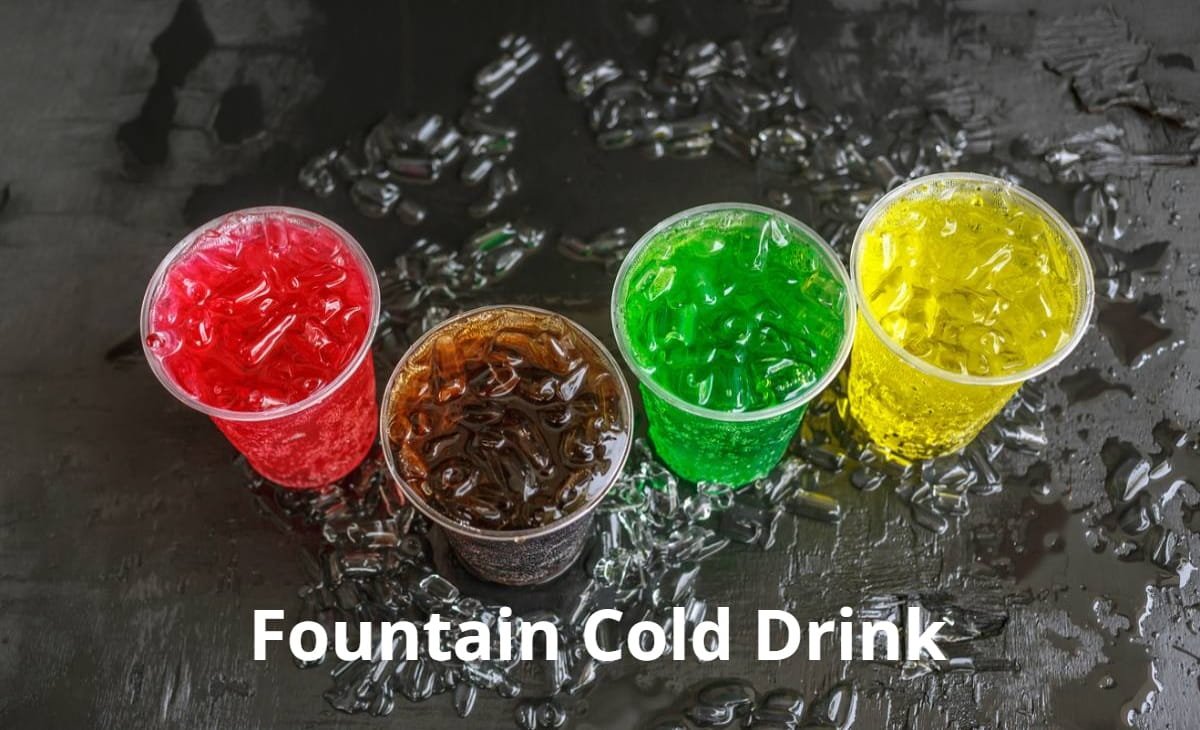
Fountain Cold Drink: Complete Guide for Buyers & Businesses
Walk into any fast-food outlet, cinema, or food court, and you will likely see a fountain cold drink machine behind the counter. It looks simple: press a lever, fill a cup, add ice, and enjoy. But behind that refreshing glass of soda lies a carefully engineered system, a strong profit model, and a major shift in how beverages are served worldwide.
If you are searching for information about fountain cold drinks, you are probably looking for one of three things: how they work, whether they are better than bottled drinks, or whether installing a fountain system is a smart business decision. This article covers all of it in depth.
Drawing from practical experience observing restaurant operations and studying beverage cost structures, I will explain how fountain drinks function, why they are profitable, what challenges exist, and how businesses can maximize their value.
What Is a Fountain Cold Drink?
A fountain cold drink is a carbonated beverage dispensed from a soda fountain machine that mixes flavored syrup with carbonated water at the moment of serving. Unlike bottled or canned beverages, which are pre-packaged at a factory, fountain drinks are freshly mixed on-site.
The machine combines three core elements: chilled water, carbon dioxide gas, and flavored syrup. When a customer presses the dispensing lever, the machine blends carbonated water with syrup in a specific ratio, typically around five parts water to one part syrup. This system is widely used by major brands such as Coca-Cola and Pepsi, which supply syrup concentrates to restaurants and retail outlets.
Why Fountain Cold Drinks Remain So Popular
The popularity of fountain cold drinks is not accidental. They offer advantages to both customers and businesses. For customers, the appeal lies in freshness, customization, and often unlimited refill options. Many people believe fountain soda tastes smoother due to freshly added carbonation and ice balance.
For businesses, the reason is simple: profitability. Beverage margins are among the highest in the food service industry. According to the National Restaurant Association, beverages consistently generate strong profit margins compared to many food items. In my observation of quick-service restaurants, fountain beverages often subsidize lower-margin menu items. A burger may generate moderate profit, but the drink attached to it frequently increases overall order profitability significantly.
How a Fountain Cold Drink Machine Works
Understanding the mechanics helps explain why these systems are so efficient.
First, filtered water enters the machine. Filtration is critical because water quality directly affects taste.
Second, the water is chilled through an internal refrigeration unit.
Third, carbon dioxide gas is injected into the cold water under pressure, creating carbonation.
Fourth, flavored syrup stored in Bag-in-Box containers is connected through tubing.
When the dispensing lever is pressed, the machine mixes syrup and carbonated water at a preset ratio and releases the beverage into the cup. A labeled visual diagram would help readers clearly understand this process. Ideally, such a diagram would show the CO₂ tank, syrup container, water line, and mixing valve in one simple schematic.
Benefits of Fountain Cold Drinks
Fresh Taste and Customization
Because the drink is mixed at the time of serving, carbonation can feel sharper and fresher. Ice levels can be adjusted according to preference. Some modern machines even allow mixing flavors.
Cost Efficiency for Businesses
One of the strongest advantages is cost efficiency. A single syrup bag can produce many servings. When calculated per cup, the cost is often significantly lower than bottled drinks.
From a business standpoint, this makes fountain systems especially valuable in:
Fast-food restaurants
Cafeterias
Theaters
Stadiums
Convenience stores
Higher sales volume increases profitability dramatically.
Reduced Packaging Waste
Since fountain systems rely on syrup bags rather than individual bottles or cans, they reduce single-use packaging. The U.S. Environmental Protection Agency highlights packaging reduction as a key sustainability strategy. Fountain systems support that goal by lowering material waste.
Challenges and Risks
Despite the benefits, fountain cold drinks are not without concerns.
Hygiene and Maintenance
If cleaning routines are ignored, machines can accumulate bacteria in nozzles or syrup lines. Proper maintenance includes daily nozzle cleaning and scheduled line sanitation.
In professional environments, weekly deep cleaning is standard. Neglecting this step affects both taste and safety.
Taste Inconsistency
If syrup ratios are miscalibrated, the drink may taste too watery or overly sweet. Regular calibration ensures brand-standard flavor.
Initial Investment
Installing a commercial fountain machine involves upfront costs, including equipment, CO₂ tanks, and filtration systems. Small businesses must evaluate whether expected sales volume justifies this investment.
Are Fountain Cold Drinks Healthier Than Bottled Drinks?
Nutritionally, fountain and bottled versions of the same beverage contain similar sugar and calorie levels. The difference often comes from portion size.
Because fountain drinks are frequently served in larger cups with refill options, total calorie consumption may increase. Consumers looking to reduce sugar intake should consider portion control or choose zero-sugar alternatives, which are widely available in fountain systems.
Real-World Business Case: Should You Install a Fountain System?
Based on market observation, the decision depends on daily beverage demand. If your outlet sells fewer than 20 drinks per day, bottled beverages may be more practical.
However, once demand increases beyond that level, fountain systems typically become more economical due to lower per-serving cost. Before installing, consider:
Expected daily sales
Available counter space
Water quality
Local maintenance support
Supplier contracts
A simple cost comparison chart between bottled and fountain drinks would help visualize profit differences and break-even points.
Step-by-Step Guide to Setting Up a Fountain Cold Drink System
If you decide to install one, follow a structured approach.
First, analyze your customer demand and projected beverage volume.
Second, choose a reputable supplier. Major beverage brands often provide equipment support in exchange for supply agreements.
Third, ensure proper water filtration installation. Poor water quality damages taste and equipment longevity.
Fourth, train staff on cleaning protocols. Hygiene directly impacts customer trust.
Fifth, monitor syrup ratios and carbonation levels regularly to maintain taste consistency.
Businesses that follow these steps usually see quick returns on investment.
Common Myths About Fountain Cold Drinks
Some people believe fountain drinks are always less hygienic. In reality, hygiene depends entirely on maintenance practices.
Others claim they taste weaker than bottled drinks. This usually results from improper calibration rather than inherent quality differences. Another myth is that fountain drinks are cheaper because they use lower-quality ingredients. In truth, the syrup concentrate is produced by the same brand manufacturers that supply bottled beverages.
Frequently Asked Questions
What is the difference between a fountain cold drink and bottled soda?
A fountain cold drink is mixed at the point of sale using syrup and carbonated water, while bottled soda is pre-packaged at a factory.
Do fountain drinks taste different?
Yes, they can taste slightly different due to fresh carbonation, ice dilution, and syrup ratio adjustments.
Are fountain cold drinks profitable for restaurants?
Yes, they often provide high profit margins because the cost per serving is lower than bottled drinks.
How often should a fountain machine be cleaned?
Nozzles should be cleaned daily, and syrup lines should be sanitized regularly according to manufacturer guidelines.
Are fountain drinks environmentally friendly?
They can reduce packaging waste compared to bottled beverages, especially in high-volume settings.
Conclusion
Fountain cold drinks are more than just a refreshing beverage. They represent a powerful blend of technology, taste engineering, and business strategy. For consumers, they offer freshness and customization. For businesses, they deliver strong margins and operational efficiency.
If you are a business owner evaluating beverage options, carefully analyze your sales volume and maintenance capacity. If you are a consumer, understanding how these systems work can help you make smarter choices about portion size and hygiene. To explore more food service insights and hospitality strategies, consider reading our related guide on beverage profit optimization or commercial kitchen equipment planning. Have thoughts or experiences with fountain systems? Share them and continue the discussion.