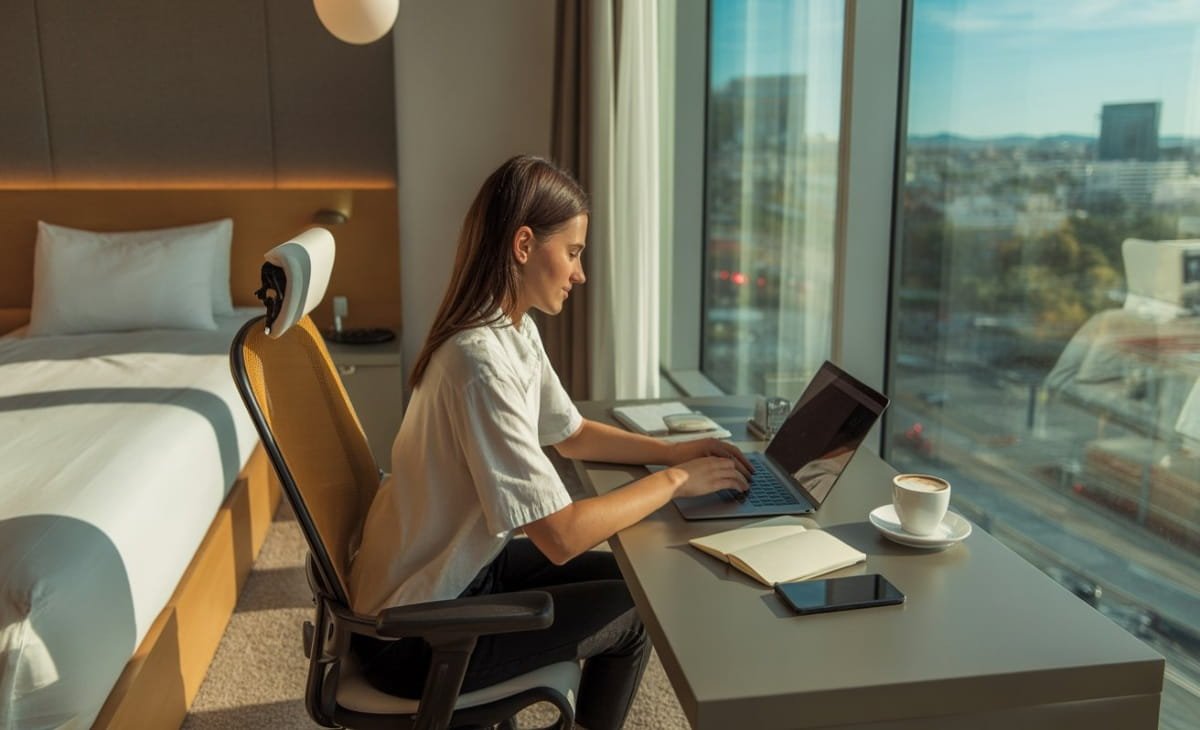
Digital Nomad Lifestyle: Working Remotely from Hotels
The idea of the digital nomad lifestyle used to be tightly linked with coworking spaces, beach cafés, and cramped Airbnb apartments. But over the last few years, something shifted quietly and decisively. More remote professionals are choosing hotels not as temporary stops, but as full-time work-and-life bases.
This change didn’t happen because hotels are trendy. It happened because many nomads were burned by unreliable Wi-Fi, uncomfortable furniture, surprise landlords, and isolation. Hotels solved those pain points almost accidentally. Stable internet, daily housekeeping, security, front desks that actually help, and predictable comfort started to matter more than Instagram aesthetics.
I’ve personally worked remotely from budget hotels in Southeast Asia, business hotels in Europe, and long-stay hotels in the Middle East. The experience reshaped how I think about productivity, mental health, and sustainability while traveling. This article breaks down what the digital nomad lifestyle looks like when hotels become your workspace, your home, and sometimes your sanity saver.
What the Digital Nomad Lifestyle Really Means Today
At its core, the digital nomad lifestyle is about location independence. You earn online while living somewhere that fits your priorities whether that’s lower costs, better weather, cultural exposure, or simply peace of mind. But the modern version is far less romantic and far more practical than early blog posts made it seem.
Today’s digital nomads are software developers, SEO consultants, remote employees, startup founders, designers, online educators, and operations managers. Many work fixed hours. Many attend daily video calls. This means their living environment must support professional reliability, not just adventure.
Hotels fit into this evolution naturally. They provide controlled environments that reduce friction. Instead of constantly troubleshooting your living setup, you outsource those problems and focus on work.
Why Working Remotely from Hotels Is Gaining Momentum
Hotels quietly adapted to remote work demands without loudly marketing it. Business travelers were already asking for fast Wi-Fi, ergonomic desks, quiet rooms, and laundry services. Digital nomads simply inherited those upgrades.
One major advantage is consistency. When you check into a reputable hotel brand, you already know what you’re getting. That predictability lowers decision fatigue and stress, which directly improves work performance. Hotels also offer flexible stays now, with weekly and monthly rates that rival furnished rentals in many cities.
There’s also a psychological benefit. Living in a hotel creates boundaries between work and rest. You work at the desk, you sleep on the bed, and common areas offer light social interaction without obligation. For many nomads who struggled with loneliness or burnout, this balance is underrated.
A helpful visual here would be a comparison chart showing productivity factors like Wi-Fi reliability, noise control, and support services across hotels, Airbnbs, and coworking coliving spaces.
The Real Benefits of the Hotel-Based Nomad Life
The biggest benefit is reliability. Hotel Wi-Fi is usually managed professionally, often with backup networks. Front desks can solve problems fast, whether it’s noise issues or room changes. Cleaning services mean your space stays functional even during busy work weeks.
Security is another major factor. Hotels have cameras, controlled access, safes, and staff on site. For solo travelers or people carrying expensive equipment, this peace of mind matters more than most nomad guides admit.
Hotels also support routines. Regular cleaning schedules, breakfast hours, gyms, and quiet times create structure. That structure is crucial for long-term remote work success. Nomads who last more than a year usually stop chasing novelty and start optimizing stability.
The Hidden Challenges No One Mentions
Working remotely from hotels is not perfect. Costs can add up if you don’t negotiate long stays. Some hotels still design desks for emails, not eight-hour workdays. Lighting can be poor, and chairs are often not ergonomic.
There’s also the risk of isolation if you stay too long without external social touchpoints. Hotels provide surface-level interaction, but they don’t replace community. Experienced nomads balance hotel stays with coworking memberships or local meetups.
Another challenge is availability. In peak seasons, hotel prices spike, forcing last-minute moves. Planning ahead becomes essential, especially in tourist-heavy destinations.
A diagram showing “Cost vs Comfort vs Flexibility” across different accommodation types would help readers visualize trade-offs clearly.
Real-World Case Studies from Hotel-Based Nomads
One SEO consultant I worked with spent six months rotating between business hotels in Lisbon. Her productivity increased because she stopped moving apartments every few weeks. Another remote product manager based himself in Bangkok hotels near transit lines, saving commute time and reducing daily friction.
In my own case, long-stay hotels in Kuala Lumpur offered monthly rates lower than serviced apartments, with better Wi-Fi and zero setup stress. That consistency allowed deeper focus and better client outcomes.
These stories highlight an important truth: the digital nomad lifestyle isn’t about moving constantly. It’s about choosing environments that support your work and wellbeing.
Tools and Platforms That Make Hotel Nomad Life Easier
Reliable booking platforms like Booking.com and Agoda now clearly label work-friendly amenities. Google Maps reviews are surprisingly useful for checking Wi-Fi reliability mentioned by past guests. Nomads often overlook hotel loyalty programs, but long-term stays rack up free nights and upgrades quickly.
For work, tools like portable laptop stands, compact keyboards, and noise-canceling headphones turn any hotel desk into a usable workstation. Internet backup via mobile hotspots is still essential, even in good hotels.
A suggested visual here would be a workstation setup diagram optimized for hotel desks.
A Practical Step-by-Step Guide to Living This Lifestyle
Start by choosing cities with strong infrastructure and reasonable hotel pricing. Research visa rules carefully, as hotels don’t change immigration limits. Book short stays first to test Wi-Fi, noise levels, and desk comfort.
Once satisfied, negotiate directly with hotel managers for weekly or monthly rates. Many are open to discounts, especially during low seasons. Set up a daily routine that mirrors a normal workday, including fixed work hours and movement breaks.
Finally, layer in the community intentionally. Join coworking spaces a few days a week or attend local events. Hotels work best as a base, not a bubble.
Visual and Media Suggestions
Include photos comparing hotel workspaces versus apartments. Add charts showing average monthly hotel costs in popular nomad cities. Screenshots of booking filters highlighting “work-friendly” amenities would also increase clarity.
Frequently Asked Questions
Is the digital nomad lifestyle legal when staying in hotels?
Yes, as long as you comply with local visa rules and do not work for local employers without authorization.
Are hotels more expensive than Airbnb for nomads?
Not always. Monthly hotel rates in many regions are competitive and include services that Airbnbs charge extra for.
How do digital nomads handle long-term stays in hotels?
Many rotate hotels monthly or negotiate extended stays directly with management.
Is hotel Wi-Fi reliable enough for video calls?
In most business or mid-range hotels, yes. Still, having a mobile data backup is recommended.
Can families or couples live this lifestyle in hotels?
Yes, especially in suite-style or aparthotels designed for longer stays.
Conclusion
The digital nomad lifestyle is no longer about constant motion. It’s about intentional living. Working remotely from hotels offers stability, focus, and comfort without sacrificing location freedom. For many professionals, it’s the missing link between travel dreams and sustainable careers.
If you’re serious about remote work longevity, experiment with hotels as more than short stops. Explore further by testing one city for a month. Share your experience, compare setups, and refine what works for you. The lifestyle rewards those who design it thoughtfully.