Coomers: Meaning, Psychology, Risks & Cultural Impact
The term “coomers” has become increasingly visible across online forums, meme communities, and digital self-improvement spaces. What began as internet satire has evolved into a broader cultural conversation about compulsive behavior, digital overconsumption, and modern masculinity. While often used humorously, the concept behind the word touches on serious psychological and behavioral themes.
This article provides a clear, research-informed, and professionally structured exploration of the topic. It separates meme exaggeration from clinical understanding, examines risks and misconceptions, and offers practical insights for readers seeking clarity or personal growth.
Understanding the Meaning of Coomers
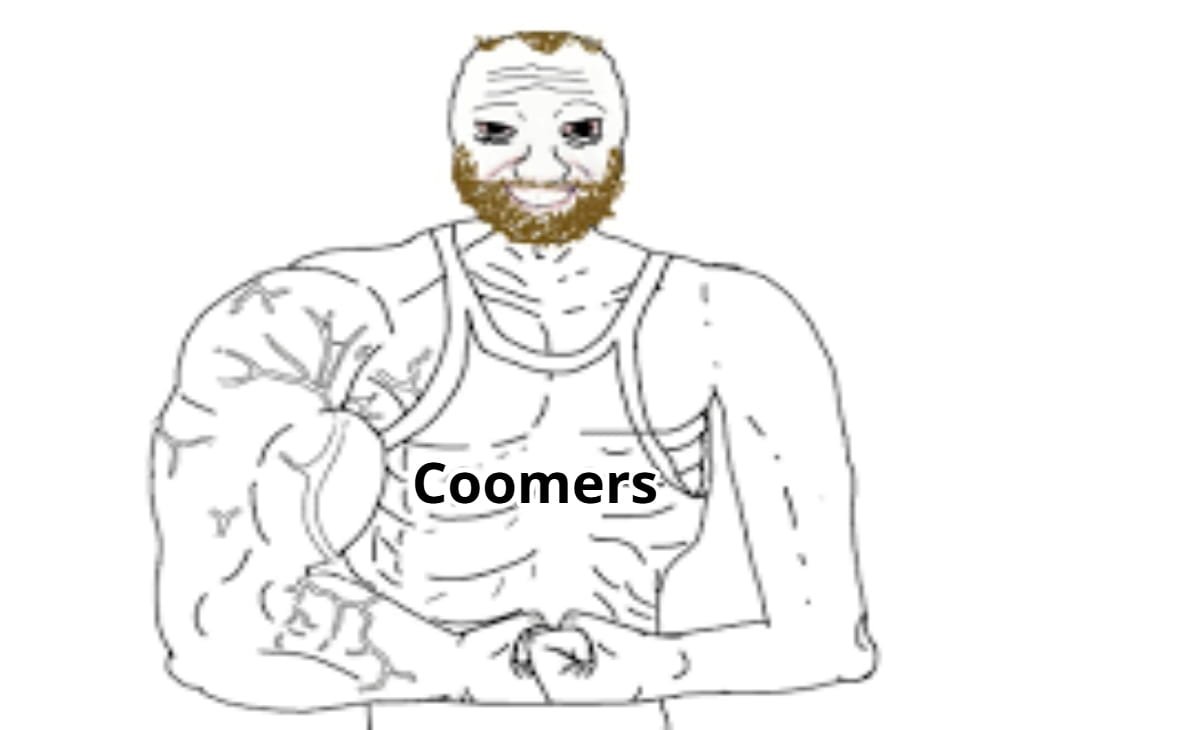
“Coomer” is internet slang typically used to describe a person portrayed as excessively consumed by pornography or compulsive sexual behavior. The term emerged from imageboard culture and quickly became a recognizable meme archetype.
It is essential to clarify that “coomer” is not a medical or diagnostic term. It is a cultural label. However, the behaviors often associated with it may overlap with clinically recognized patterns such as compulsive sexual behavior disorder, as defined by the World Health Organization in the ICD-11 classification system.
The meme exaggerates traits for comedic effect, but it reflects genuine concerns about digital overstimulation and self-regulation in the internet age.
The Psychological Context Behind the Label
Although the term itself is informal, the underlying behaviors relate to well-studied psychological mechanisms. Behavioral addictions operate through the brain’s reward circuitry, particularly dopamine pathways.
Research from institutions such as Harvard Medical School explains that repeated exposure to highly stimulating content can alter reward sensitivity over time. This may lead to increased consumption, diminished satisfaction from everyday activities, and difficulty regulating impulses.
It is important to differentiate between recreational consumption and compulsive behavior. Compulsion is typically characterized by:
Persistent inability to reduce usage
Escalation in time spent consuming content
Negative impact on work, relationships, or mental health
Use as a coping mechanism for stress or loneliness
The presence of distress or functional impairment is what distinguishes problematic behavior from casual engagement.
Why the Term Became Popular in Online Culture
The rapid spread of the term can be attributed to several cultural factors. First, internet communities often create exaggerated archetypes to reflect collective anxieties. Second, discussions about productivity, discipline, and dopamine regulation have gained momentum in recent years.
Online self-improvement spaces frequently contrast “discipline” with “overindulgence,” using caricatures to reinforce identity. In this environment, the coomer meme became symbolic of digital excess. However, satire can easily shift into stigmatization. While humor may spark awareness, meaningful change requires evidence-based discussion rather than ridicule.
Potential Risks Associated with Compulsive Consumption
When behavior becomes compulsive, several psychological and social risks may arise. These risks are not universal, but research suggests possible associations.
Excessive consumption may contribute to desensitization, reduced motivation, decreased real-life intimacy, and disrupted sleep patterns. Some individuals report difficulty focusing on long-term goals due to repeated short-term dopamine spikes.
The issue is not sexuality itself. Human sexuality is natural and healthy. The concern lies in compulsive engagement that reduces autonomy and emotional balance.
A helpful visual for readers would be a simple diagram of the habit loop: trigger, action, reward, and reinforcement. Such a graphic clarifies how repeated exposure strengthens behavioral cycles.
Myths and Misconceptions
Several misconceptions surround the topic.
One common myth is that any exposure to adult content automatically creates addiction. Clinical evidence does not support this claim. Compulsion is defined by loss of control and distress, not mere frequency.
Another misconception is that quitting abruptly solves the problem permanently. Sustainable behavior change usually requires habit replacement strategies rather than suppression alone.
A third misunderstanding is that this issue only affects men. Although the meme is male-oriented, compulsive sexual behavior can affect individuals across genders.
Lastly, shame-based approaches are often ineffective. Research consistently shows that shame may intensify addictive cycles rather than resolve them.
Real-World Behavioral Patterns
In practice, compulsive patterns often develop gradually. For example, an individual may begin consuming content casually. Over time, it becomes a default response to stress or boredom. Academic performance, productivity, or social confidence may decline subtly before the individual recognizes the pattern.
In professional behavioral coaching environments, successful interventions rarely focus on guilt. Instead, they emphasize structured routines, accountability, and environmental redesign. This practical insight aligns with cognitive-behavioral frameworks widely used in therapy.
Practical and Evidence-Based Recovery Strategies
For individuals who identify problematic patterns, a structured approach is more effective than reactive decision-making.
First step involves awareness. Tracking behavior for several days reveals patterns that may otherwise remain invisible.
Second step focuses on trigger identification. Emotional triggers such as stress, loneliness, or fatigue frequently precede compulsive engagement.
Third step involves environmental modification. This may include installing content blockers, limiting late-night device use, and restructuring daily routines to reduce idle time.
Fourth step emphasizes replacement behaviors. Exercise, skill development, journaling, and social interaction can provide alternative dopamine sources that are healthier and more sustainable.
If behavior feels uncontrollable or causes significant distress, professional counseling particularly Cognitive Behavioral Therapy can be highly effective.
A comparative chart showing “Unstructured Habit Loop” versus “Intentional Habit Replacement” would enhance reader understanding at this stage.
The Role of Algorithms and Digital Design
Modern digital platforms are engineered to maximize engagement. Recommendation systems continuously adapt to user preferences, increasing exposure to stimulating content.
This does not imply malicious intent but highlights structural influence. When content is instantly accessible and personalized, repeated engagement becomes easier.
Understanding this design dynamic allows users to shift from passive consumption to intentional digital behavior.
Cultural and Social Implications
The popularity of the term reflects broader cultural conversations about masculinity, discipline, mental health, and digital overstimulation. Internet language often surfaces societal anxieties before academic discourse fully addresses them.
The challenge is moving from mockery to constructive discussion. Productive dialogue requires empathy, scientific literacy, and practical solutions.
As awareness around digital addiction grows, conversations are increasingly grounded in neuroscience and behavioral research rather than meme stereotypes.
Frequently Asked Questions
What does coomers mean?
Coomers is an internet slang term referring to individuals portrayed as excessively consumed by pornography or compulsive sexual behavior.
Is coomer a medical diagnosis?
No. It is a cultural meme term. However, related behaviors may align with compulsive sexual behavior disorder recognized by the World Health Organization.
Can compulsive sexual behavior be treated?
Yes. Behavioral therapy, environmental restructuring, and cognitive strategies have shown positive outcomes.
Is occasional adult content harmful?
Occasional use without distress or life impairment is generally not classified as problematic behavior.
Why did the term become widespread?
It gained popularity through meme culture and online self-improvement communities discussing dopamine regulation and discipline.
Conclusion
The term “coomers” began as internet satire but now intersects with legitimate discussions about behavioral health and digital overconsumption. While the meme simplifies complex human behavior, it indirectly highlights concerns about impulse control and online dependency.
Understanding the psychological foundations behind compulsive habits allows individuals to respond with structure rather than shame. Behavioral change is achievable through awareness, environmental adjustment, and intentional routine building.
If this topic resonates with you, consider conducting a personal habit audit this week. Small, consistent adjustments often create meaningful long-term transformation. For further guidance, explore related resources on digital discipline and habit formation, or consult a qualified mental health professional for personalized support. Meaningful change begins with informed awareness and awareness begins with honest conversation.