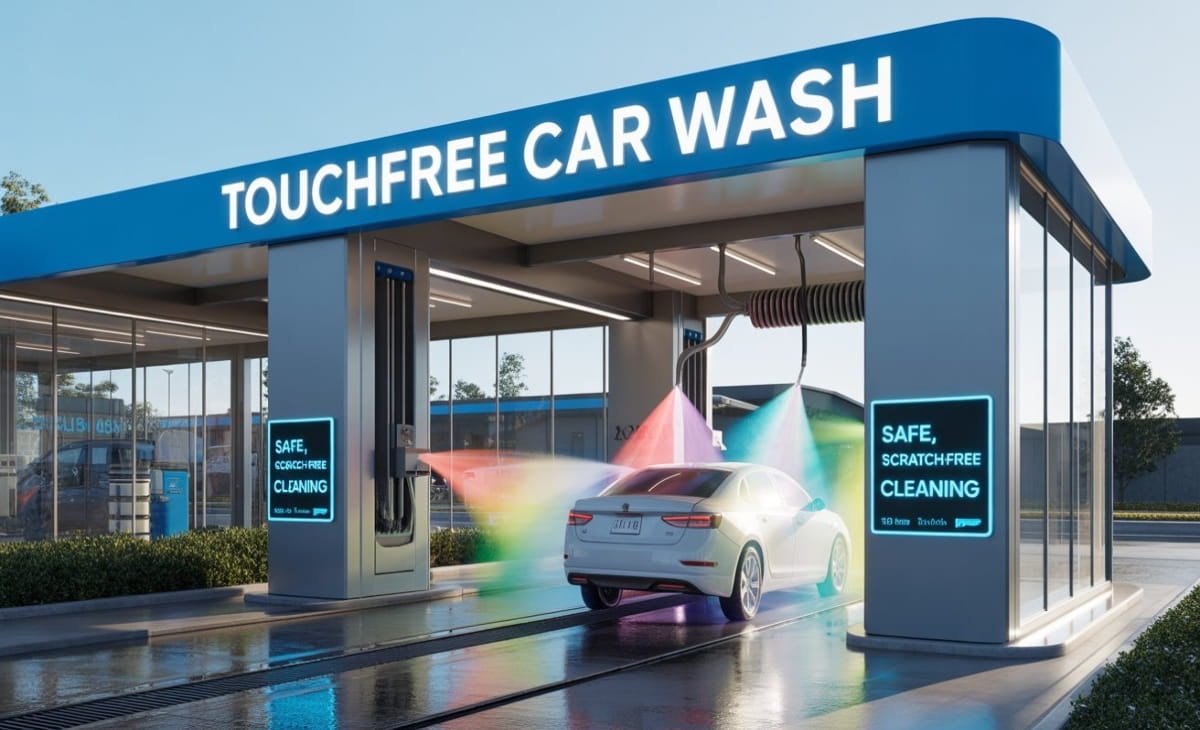
Touchfree Car Wash Near Me: Safe, Scratch-Free Cleaning
If you’re searching for a touchfree car wash near me, you’re probably not just bored on Google. You’re likely standing next to your car, staring at swirl marks, worried about scratches, or trying to protect a newer paint job, ceramic coating, or lease return value. I’ve been there. After years of owning dark-colored cars and watching automatic brushes slowly destroy clear coats, touch-free washes stopped being a luxury and became a necessity.
This search has exploded in recent years for a simple reason: drivers are more informed. People now understand that traditional brush washes can cause micro-scratches, especially when those brushes are reused hundreds of times a day without proper cleaning. Touch-free systems promise something better: effective cleaning without physical contact.
But here’s the truth most articles won’t tell you: not all touch-free car washes are created equal, and some can still damage your vehicle if you don’t know what to look for. This guide exists to help you make the right decision, quickly, confidently, and safely.
What a Touch-Free Car Wash Actually Is (And What It Isn’t)
A touch-free car wash is an automated washing system that cleans your vehicle using high-pressure water, specialized detergents, and controlled chemical reactions without brushes, cloth strips, or sponges touching your paint.
Instead of friction, these systems rely on chemistry and pressure. The detergents are designed to loosen dirt, road salt, bugs, and grime so they can be rinsed away safely. In theory, this reduces the risk of scratches, swirl marks, and paint degradation.
What many people misunderstand is that “touch-free” doesn’t automatically mean “gentle.” Some facilities compensate for lack of contact by using very strong chemicals, especially at older or poorly maintained locations. That’s why knowing how to choose the right one matters.
Why Drivers Prefer Touch-Free Car Washes (Real Benefits That Matter)
From personal experience and conversations with professional detailers, the biggest advantage of a touch-free car wash is paint preservation. On darker vehicles especially, brush-based systems leave visible swirl patterns that become obvious under sunlight within months.
Touch-free washes are also ideal for cars with ceramic coatings, PPF (paint protection film), matte finishes, or custom wraps. Physical contact can prematurely degrade these surfaces, while touch-free systems maintain their integrity longer when properly balanced.
Another underrated benefit is consistency. Brushes wear down unevenly, collect debris, and sometimes even trap small stones. Water and detergent don’t have that problem. When the system is well calibrated, results are predictable.
Finally, touch-free washes are faster and safer for modern vehicles with external sensors, cameras, and protruding trim. Tesla owners, in particular, often search for touch-free options due to sensor placement and paint softness.
The Downsides No One Mentions (And Why Honesty Matters)
Touch-free systems are not magic. Heavy mud, thick road film, and baked-on contaminants sometimes survive a single pass. If your car hasn’t been washed in weeks, you may notice leftover grime around wheel arches or lower panels.
Chemical strength is another concern. Some budget touch-free locations use aggressive detergents that can strip wax over time or dull trim if used frequently. According to automotive surface research summarized by the U.S. Environmental Protection Agency, repeated exposure to harsh alkaline cleaners can degrade protective coatings when misused .
This doesn’t mean touch-free is bad. It means choosing the right facility and using it correctly is essential.
How to Find a Good Touch-Free Car Wash Near You (What I Personally Look For)
When I search for a touch-free car wash near me, I don’t just click the closest pin. I look for signs of modern equipment, clear pricing, and transparency about detergents. Newer systems often advertise “pH-balanced soaps” or “ceramic-safe formulas,” which is a good indicator the owner understands vehicle finishes.
Reviews matter, but not all reviews are equal. I scan for comments mentioning paint safety, swirl-free results, or repeat customers with newer vehicles. If multiple Tesla, BMW, or Lexus owners mention the location, that’s usually a positive sign.
Location context also matters. Washes near highways often deal with heavier grime and may tune chemicals stronger. Suburban locations tend to be gentler. This nuance alone can save your paint over time.
Touch-Free vs Soft-Touch vs Hand Wash: What’s Actually Best?
Hand washing is still the gold standard when done properly, using the two-bucket method, clean microfiber towels, and safe drying techniques. The problem is that most people don’t have the time, space, or discipline to do it weekly.
Soft-touch automatic washes can clean better than touch-free, but they introduce friction risk. Even “soft” brushes still collect debris.
Touch-free sits in the middle. It’s safer than soft-touch, faster than hand washing, and consistent enough for regular maintenance. For many daily drivers, it’s the most practical compromise.
Professional detailers often recommend touch-free washes between full hand details to maintain cleanliness without damaging paint.
A Practical Guide: How to Use a Touch-Free Car Wash the Right Way
Before entering, remove any loose accessories like antenna covers or decorative trim add-ons. Make sure windows and sunroofs are fully closed. If the system offers multiple packages, choose one that includes a pre-soak and spot-free rinse rather than just high pressure.
Avoid washing immediately after long highway drives when brakes and wheels are extremely hot. Let the car cool for ten minutes to prevent rapid temperature changes that can stress components.
If your vehicle has a ceramic coating, skip wax add-ons. They’re unnecessary and sometimes incompatible. After the wash, air-drying is safest, but if you towel dry, use clean microfiber only. These small steps dramatically improve results and reduce long-term wear.
Real-World Use Cases: Who Benefits Most from Touch-Free Car Washes
Lease holders benefit because paint condition directly affects return fees. Ride-share drivers benefit because frequent washing is necessary but hand washing daily is unrealistic. Winter drivers benefit because salt removal without scrubbing reduces corrosion risk.
One detailer I worked with routinely recommends touch-free washes for customers between quarterly professional details. That endorsement alone changed how I viewed them not as a shortcut, but as a tool.
Visuals That Improve Understanding
A comparison diagram showing paint surface damage under a microscope would help readers visualize swirl marks from brushes versus untouched clear coats. A simple flow chart of a touch-free wash process, from pre-soak to spot-free rinse, also clarifies expectations. Photos of well-maintained vs poorly maintained touch-free facilities can further educate users.
Frequently Asked Questions
Is a touch-free car wash really safe for paint?
Yes, when properly maintained and using balanced chemicals, touch-free washes are among the safest automated options for preserving paint.
Do touch-free car washes clean as well as brush washes?
They clean well for regular maintenance but may struggle with heavy, baked-on dirt compared to brush systems.
How often should I use a touch-free car wash?
Once a week is generally safe for most vehicles, especially if you avoid aggressive chemical add-ons.
Are touch-free car washes safe for ceramic coatings?
Yes. In fact, many ceramic coating manufacturers recommend touch-free systems between professional maintenance washes.
Why do some touch-free washes leave dirt behind?
This usually happens when detergents are weak, water pressure is low, or the vehicle is extremely dirty.
Conclusion
If you care about your car’s paint, resale value, or long-term appearance, a quality touch-free car wash near you is absolutely worth using. It’s not a miracle solution, and it won’t replace proper detailing, but it’s one of the smartest compromises modern drivers can make.
The key is choosing the right facility, using it correctly, and understanding its limits. When done right, touch-free washing protects what you’ve invested in and saves you time without sacrificing quality.
If you want to go deeper, explore our related guide on how to maintain paint protection between professional details or reach out to a local detailing expert for personalized advice. And if you’ve found a touch-free wash that truly delivers, share your experience other drivers are searching for the same answer you just found.