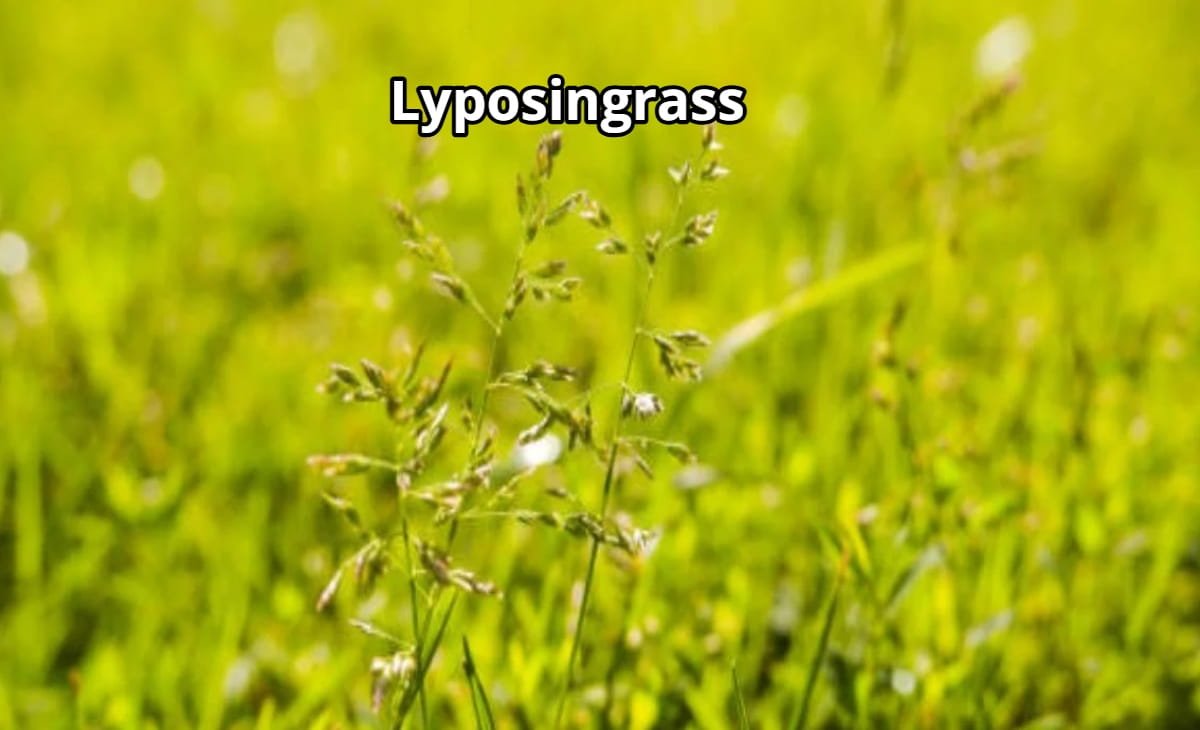
Lyposingrass: Benefits, Uses, and Complete Guide
Many people searching for natural wellness solutions often come across unfamiliar terms that spark curiosity. One such emerging concept is Lyposingrass. While not yet a mainstream term in traditional medical literature, Lyposingrass has started appearing in discussions related to herbal wellness, metabolic health, and natural detox practices.
For readers exploring this topic, the most important questions are straightforward. What exactly is Lyposingrass? Does it provide real health benefits? And how does it fit into modern wellness practices?
Understanding these questions requires looking beyond surface-level explanations. Wellness trends often evolve quickly, and without clear information it becomes difficult for individuals to separate useful knowledge from simple marketing claims. This article aims to provide a well-structured, research-informed perspective on Lyposingrass while focusing on practical insights readers can actually apply.
By the end of this guide, you will have a clearer understanding of what Lyposingrass refers to, why it is gaining attention, and how it may relate to broader metabolic and herbal health strategies.
What Is Lyposingrass?
Lyposingrass is typically described as a plant-based compound or herbal formulation believed to support lipid metabolism and detoxification processes within the body. The name itself appears to combine two key ideas.
The first part, “lipo,” refers to lipids or fats, which play a major role in the body’s energy systems. The second part, “grass,” suggests a botanical or plant-derived origin. This combination indicates that Lyposingrass may refer to herbal extracts derived from grass-like plants or plant compounds known for their metabolic support properties.
Although the term is relatively new in wellness discussions, it is often associated with herbs that contain antioxidants, chlorophyll, and enzymes that help support natural metabolic functions.
Plants frequently linked to similar properties include wheatgrass, barley grass, and lemongrass. These plants have long been used in traditional wellness systems because of their nutrient density and potential ability to support digestive and metabolic health.
In essence, Lyposingrass is best understood as part of a broader category of plant-based metabolic support compounds rather than a single isolated herb.
The Science Behind Lyposingrass
To understand why Lyposingrass has gained attention, it is helpful to look at the biological processes it is believed to influence. One of the primary mechanisms discussed in connection with Lyposingrass is lipolysis, which is the process through which the body breaks down stored fats into energy.
Lipolysis plays an essential role in maintaining healthy energy balance. When the body efficiently breaks down fat, it can convert those stored molecules into fuel that supports daily activity and metabolic stability.
Certain plant compounds may support enzymes involved in these metabolic processes. These compounds often include polyphenols, chlorophyll, and antioxidants, which are known to support cellular health and reduce oxidative stress.
Research in nutritional science has shown that antioxidant-rich plants can contribute to metabolic balance and support natural detoxification systems within the body. Studies referenced by organizations such as the National Institutes of Health highlight how plant phytochemicals contribute to improved metabolic function and reduced inflammation.
Although Lyposingrass itself is still an emerging concept, the biological mechanisms connected to it are consistent with well-established nutritional science.
Potential Benefits of Lyposingrass
One of the main reasons people are interested in Lyposingrass is its potential to support overall wellness in multiple ways. While results may vary depending on individual health conditions and lifestyle habits, several benefits are commonly discussed.
The most widely mentioned benefit is metabolic support. Plant-derived compounds that influence lipid metabolism may help the body process fats more efficiently, which can support overall energy regulation.
Another potential benefit is natural detox support. Many grass-based plants contain chlorophyll, which is believed to assist the body in neutralizing toxins and supporting liver function. The liver plays a central role in detoxification, and nutrient-rich herbs may help maintain its efficiency.
Lyposingrass may also contribute to digestive health. Herbal compounds rich in enzymes and antioxidants can support gut balance and nutrient absorption, which ultimately affects metabolic performance.
Some individuals who use plant-based metabolic supplements report improvements in energy levels. This effect is often gradual and linked to improved nutrient utilization rather than stimulant-based energy boosts.
Real-World Applications of Lyposingrass
In practical terms, Lyposingrass is most commonly discussed within the context of wellness supplements and holistic nutrition programs.
Herbal supplement manufacturers sometimes include compounds associated with Lyposingrass in formulations designed to support metabolism or detoxification. These products are usually marketed toward individuals interested in natural health alternatives rather than synthetic solutions.
Nutrition professionals and wellness coaches may also incorporate similar plant compounds into metabolic reset programs or detox protocols. In these programs, herbal support is combined with improved nutrition, hydration, and lifestyle changes.
Holistic weight management plans sometimes include plant-based metabolic compounds as a complementary tool. However, these compounds are rarely positioned as the primary solution. Instead, they are viewed as supportive elements within a broader health strategy that includes balanced diet, regular movement, and adequate sleep.
Challenges and Misconceptions
As with many emerging wellness trends, Lyposingrass is surrounded by several misconceptions that should be addressed.
One common myth is that herbal metabolic compounds act as instant weight-loss solutions. In reality, no herb can replace consistent healthy habits. Metabolism is influenced by many factors including hormones, physical activity, sleep quality, and stress levels.
Another misconception is that detoxifying herbs can completely cleanse the body. The truth is that the human body already has powerful detox systems, primarily the liver and kidneys. Herbal compounds may support these organs, but they do not replace their function.
It is also important to remember that natural products are not automatically risk-free. Herbal supplements can interact with medications or cause allergic reactions in some individuals. Anyone considering new supplements should consult a healthcare professional before starting.
Practical Guide to Using Lyposingrass-Based Products
Individuals interested in exploring Lyposingrass or related herbal compounds should approach them thoughtfully.
The first step is choosing supplements from reputable manufacturers that provide transparent ingredient sourcing and quality testing. Trustworthy brands often publish third-party laboratory results to confirm product purity.
The second step is starting with small doses and observing how the body responds. Herbal compounds often work gradually, and subtle benefits may take several weeks to become noticeable.
Lifestyle habits remain the most important factor in metabolic health. Balanced nutrition, consistent physical activity, adequate hydration, and proper sleep create the conditions in which herbal compounds can provide meaningful support.
Tracking personal results is also helpful. Monitoring energy levels, digestion, and overall wellness can provide insight into whether a particular supplement is beneficial.
Visual Elements That Could Enhance Understanding
Certain visuals could make the concept of Lyposingrass easier to understand for readers.
A metabolic pathway diagram could illustrate how the body converts stored fat into usable energy. This would help readers visualize the role of lipolysis.
Another useful visual would be a comparison chart showing different grass-based plants and their nutrient content, such as chlorophyll levels and antioxidant compounds.
A simplified detoxification flowchart could also explain how the liver processes toxins and how plant nutrients support this process.
These visuals would help translate complex biological processes into easier-to-understand concepts.
Frequently Asked Questions
What is Lyposingrass?
Lyposingrass is generally described as a plant-derived compound or herbal extract believed to support metabolism and natural detoxification processes.
Is Lyposingrass scientifically proven?
The specific term Lyposingrass is still emerging, but many plant compounds associated with it such as antioxidants and chlorophyll have strong support in nutritional science research.
Can Lyposingrass help with weight management?
Lyposingrass may support metabolic processes, but it is not a standalone weight-loss solution. Healthy diet, physical activity, and lifestyle balance remain essential.
Is Lyposingrass safe?
Most plant-based supplements are safe when used responsibly. However, individuals should consult a healthcare professional before using new supplements, particularly if they have existing medical conditions.
How long does it take to see benefits?
Herbal supplements usually produce gradual effects. Some individuals may notice improvements in energy or digestion within several weeks of consistent use.
Conclusion
Lyposingrass represents an interesting development in the world of plant-based wellness. While the term itself is still evolving, the ideas behind it supporting metabolism, enhancing detox pathways, and utilizing nutrient-dense plant compounds are grounded in established nutritional science.
However, it is important to approach such trends with balanced expectations. No supplement can replace the core foundations of health, which include balanced nutrition, physical activity, adequate sleep, and stress management.
For individuals interested in exploring natural metabolic support, herbal compounds associated with Lyposingrass may offer complementary benefits when combined with healthy lifestyle practices.
If you are curious about integrating plant-based wellness strategies into your routine, consider researching reputable supplements, consulting health professionals, and exploring additional educational resources on metabolic health. Your long-term wellbeing depends on informed choices and sustainable habits.