Samigo App Guide: Features, Benefits & How It Works
Mobile applications shape how people communicate, collaborate, and manage daily tasks. Over the past few years, niche platforms have emerged that combine community interaction with practical digital tools. One such platform gaining attention is the Samigo app.
If you have recently searched for the Samigo app, you are likely trying to understand one of three things: what the app actually does, whether it is worth downloading, and how it compares to other digital community platforms. This guide answers those questions with a clear explanation, practical insights, and real-world observations.
As someone who regularly analyzes new apps and digital platforms, I have noticed a pattern: users often install apps without fully understanding their capabilities. That leads to confusion or unused tools. This article is designed to prevent that by explaining how the Samigo app works, who it is for, and how to get the most value from it.
What Is the Samigo App?
The Samigo app is a digital platform designed to facilitate communication, networking, and community engagement. While the exact features may vary depending on the version or region, the main purpose of the app is to connect people through shared interests, activities, or collaboration opportunities.
Unlike traditional social networks that prioritize public posts and large audiences, Samigo tends to focus more on smaller communities and targeted interactions. This makes it particularly useful for groups, teams, and niche communities that need structured communication rather than endless scrolling.
The design philosophy behind Samigo appears to center on simplicity. Users can quickly create an account, join communities, and start interacting without the complex onboarding processes that many apps require.
For people who prefer focused conversations and meaningful interactions, this approach can feel refreshing compared to crowded mainstream platforms.
Why the Samigo App Is Becoming Popular
Several factors explain why users are starting to explore Samigo more frequently.
First, there is a growing demand for smaller, interest-based communities. Large social networks often overwhelm users with algorithm-driven feeds. Platforms like Samigo instead emphasize controlled spaces where users interact with people who share similar goals or interests.
Second, digital collaboration has become essential for students, remote workers, and creators. Apps that combine communication tools with community management features naturally attract attention.
Third, people increasingly value privacy and control over their online presence. Platforms designed around groups rather than public broadcasting can provide a safer and more comfortable environment for communication.
In practice, this means Samigo appeals to users who want focused digital interactions rather than viral content.
Key Features of the Samigo App
To understand why users download Samigo, it helps to look at its core functionality.
Community-Based Interaction
The heart of the Samigo app is its community structure. Instead of simply adding friends, users typically join or create communities based on shared interests.
These communities might focus on hobbies, professional networking, study groups, or local events. Each community becomes a central hub where members communicate, share updates, and collaborate.
Messaging and Communication
Communication tools are a major part of the app. Users can interact through messages, discussions, or announcements depending on how the community is structured.
This feature is particularly useful for group coordination. For example, a study group can use Samigo to discuss assignments, share notes, and organize meetings in one place.
Event Coordination
Many communities use Samigo to organize events. Whether it is a virtual discussion or a physical meetup, the app can help manage schedules, invitations, and reminders.
From my experience evaluating collaboration platforms, event tools dramatically improve engagement because they move conversations into real-world actions.
Content Sharing
Users can often share media, documents, or updates within communities. This makes the platform suitable for collaborative environments where information needs to be distributed efficiently.
A team planning a project, for example, could share files and announcements directly inside the community space.
Benefits of Using the Samigo App
Understanding the benefits helps determine whether the app fits your needs.
One major advantage is focused communication. Unlike large social networks where posts disappear quickly in endless feeds, community-based apps maintain organized conversations.
Another benefit is collaboration efficiency. Students, creators, and small teams can use the platform as a central communication hub instead of juggling multiple apps.
The app also encourages meaningful interactions. Smaller groups tend to produce more thoughtful discussions compared to massive public comment sections.
Finally, platforms like Samigo often feel less distracting. Without constant algorithmic feeds, users spend time on purposeful interactions rather than passive scrolling.
Challenges and Limitations
No app is perfect, and Samigo has potential challenges users should understand.
One common issue with newer platforms is limited user adoption. A community-based app only becomes valuable when enough people join and actively participate.
Another limitation is feature maturity. Compared to established platforms, newer apps sometimes lack advanced integrations or customization options.
There is also the learning curve of adapting to a different communication model. Users accustomed to traditional social media may initially feel unfamiliar with community-driven structures.
However, these challenges often decrease as the platform evolves and user adoption grows.
Real-World Use Cases for the Samigo App
To truly understand the value of Samigo, consider how people might use it in everyday scenarios.
Students often need organized communication channels for study groups. Instead of scattered messages across multiple apps, a Samigo community could host discussions, share resources, and schedule study sessions.
Local communities might use the platform to coordinate neighborhood activities, volunteer projects, or local events.
Small creative teams can also benefit from the app. Writers, designers, or developers collaborating on projects may use Samigo as a central hub for discussions and updates.
From my observation of digital collaboration tools, apps that simplify group organization tend to succeed because they solve a practical problem: keeping people aligned.
How to Use the Samigo App Effectively
Getting real value from Samigo requires more than simply downloading it.
The first step is creating a well-structured profile and joining communities that match your interests. The more relevant your communities are, the more useful the platform becomes.
Next, participate actively in discussions. Community platforms thrive on engagement, so sharing ideas or feedback improves the experience for everyone.
It also helps to explore the app’s tools beyond basic messaging. Event scheduling, content sharing, and announcements often unlock the platform’s full potential.
Finally, consider creating your own community if one does not exist for your interest. Many successful online groups begin with a single person starting the conversation.
Visual Elements That Improve Understanding
For a blog or website article, visuals can significantly improve clarity.
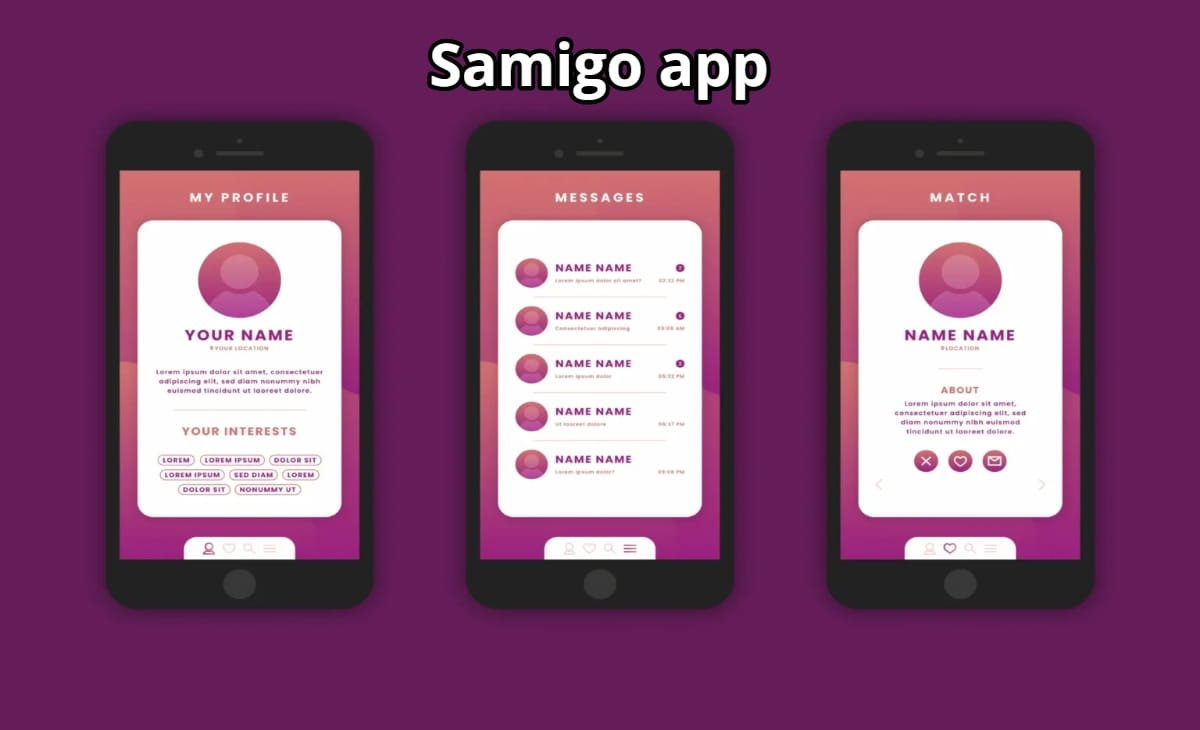
A screenshot walkthrough showing the Samigo interface would help readers understand how communities and messages appear inside the app.
A simple diagram explaining the community structure could also illustrate how users interact within groups.
Charts comparing Samigo with other communication apps may further help readers understand its unique position in the digital ecosystem.
These visuals transform abstract descriptions into practical understanding.
Frequently Asked Questions
What is the Samigo app used for?
The Samigo app is primarily used for community interaction, communication, and collaboration. Users join or create groups based on shared interests or projects.
Is the Samigo app free to use?
Most versions of the app are free to download and use, though certain advanced features may depend on updates or platform policies.
Who should use the Samigo app?
Students, small teams, hobby communities, and organizations that need structured group communication may benefit the most from the platform.
Is the Samigo app similar to social media?
While it shares some communication features with social media platforms, Samigo focuses more on private communities and structured interaction rather than public content feeds.
Can businesses use the Samigo app?
Yes. Small businesses or startups can use the app to coordinate teams, communicate internally, or build niche customer communities.
Conclusion
The Samigo app represents a growing shift toward focused digital communities. Instead of chasing viral content or endless feeds, it prioritizes meaningful interaction within smaller groups.
For students, teams, and niche communities, this model can significantly improve communication and collaboration. While the platform may still be evolving, its core idea aligns with the future of online engagement: smaller, purposeful networks rather than massive, impersonal ones.
If you are looking for a structured way to connect with people who share your goals or interests, exploring the Samigo app could be a worthwhile step.
Try the app, join a community that interests you, and experience how focused digital collaboration can transform online interaction.