Randavü Meaning, Uses, and Cultural Significance Guide
Language constantly evolves, and sometimes new words or variations of existing words begin appearing across the internet, social media, and everyday conversations. One such term gaining curiosity is Randavü. Many people search for it to understand its meaning, origin, and how it is used in real-world contexts.
The interest in Randavü often comes from confusion or curiosity. Is it a cultural word, a spelling variation, or a modern slang term? Why is it appearing in digital conversations and articles? These questions highlight the growing importance of understanding how language adapts to modern communication.
In this in-depth guide, we will explore the meaning of Randavü, its historical background, modern applications, and why the concept remains relevant today. This article also provides practical insights and real-life examples so readers can clearly understand the term and its usage.
Understanding the Meaning of Randavü
Randavü generally refers to a planned meeting between two or more people, often arranged in advance for a specific purpose. The meeting may be romantic, professional, or social in nature.
The concept is closely connected to the word “rendezvous,” which historically describes a meeting arranged at a certain time and place. Over time, different spellings and phonetic interpretations have appeared online, including Randavü.
In simple terms, Randavü represents the idea of intentionally meeting someone rather than encountering them by chance. This intentional aspect is what gives the term its unique meaning.
For example, two friends planning to meet at a café after work can call it a Randavü. Similarly, a couple arranging a private dinner or professionals scheduling a discussion could also describe their meeting this way.
The Historical Roots Behind the Concept
To understand Randavü more clearly, it is helpful to look at the historical origin of similar terms.
The concept of an arranged meeting dates back centuries. In European history, particularly in French culture, the word rendezvous referred to a gathering point where individuals were expected to meet.
Originally, it was widely used in military contexts. Soldiers were instructed to assemble at a designated location, known as a rendezvous point. Later, the term entered everyday language and began describing social meetings, especially romantic encounters.
As language moved across cultures and digital platforms, phonetic spellings like Randavü began appearing. While not always formally recognized in dictionaries, these variations reflect how people adapt language to modern communication styles.
Why Randavü Matters in Modern Communication
The modern world values connection, collaboration, and meaningful interactions. Planned meetings remain essential in both personal and professional life.
Randavü represents more than just meeting someone. It reflects intentional connection. In many ways, this makes the concept even more relevant in today’s fast-paced digital environment.
People schedule Randavüs for many reasons. Some want deeper conversations away from online distractions. Others arrange meetings to build relationships, explore partnerships, or strengthen friendships.
In my experience analyzing communication trends across blogs and digital communities, terms like Randavü often gain popularity because they capture a simple idea in a memorable way. When a word feels unique or expressive, people adopt it quickly, especially on social platforms.
Different Contexts Where Randavü Is Used
Randavü can apply to multiple situations depending on context.
In romantic settings, the term usually refers to a planned date between partners or potential partners. The anticipation of meeting, preparing for the moment, and spending intentional time together all align with the meaning of Randavü.
In social situations, friends may arrange a Randavü to reconnect after a long time. These meetings often focus on conversation, shared activities, or simply enjoying each other’s company.
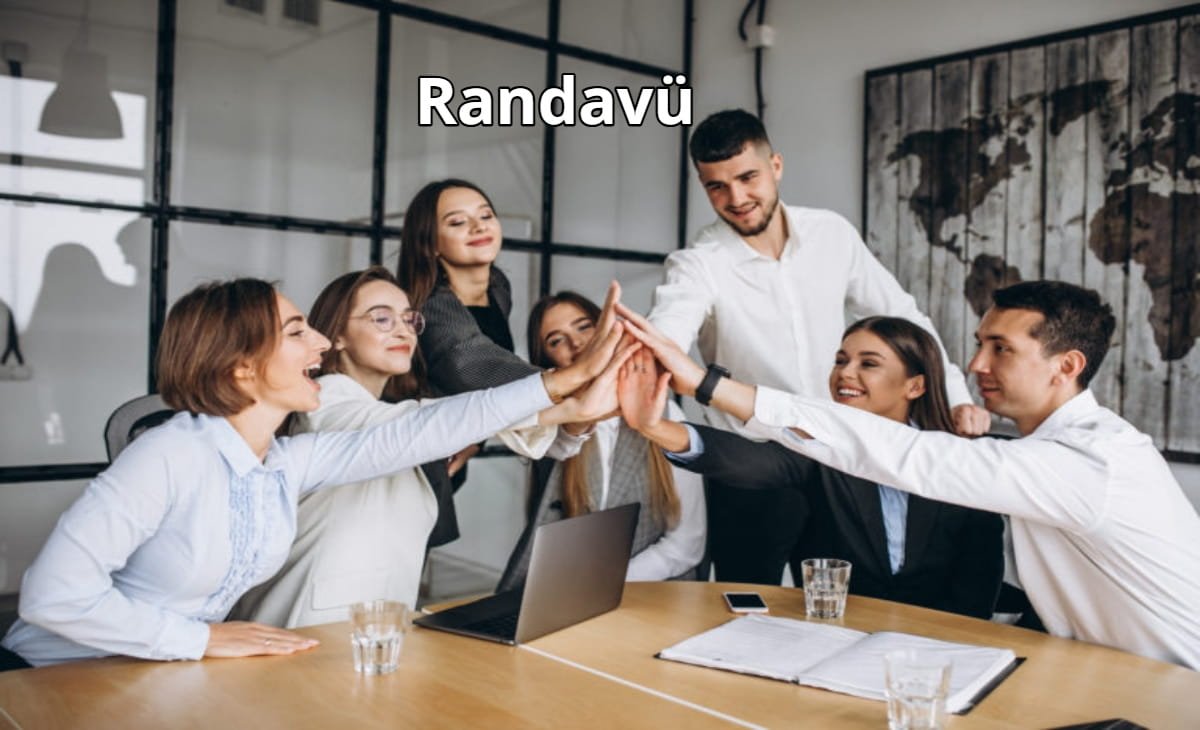
Professional environments can also include Randavü-style meetings. Entrepreneurs, collaborators, and mentors frequently plan focused meetups to discuss projects, strategies, or ideas.
The key element remains the same in each scenario: the meeting is purposeful and expected.
Benefits of Planned Meetings Like Randavü
Planned meetings bring several social and psychological benefits.
First, they create stronger relationships. When individuals intentionally set aside time to meet, it shows respect and interest in maintaining the connection.
Second, Randavüs allow people to prepare mentally and emotionally. Unlike spontaneous meetings, planned interactions provide time to think about conversation topics, goals, or shared experiences.
Third, they promote deeper communication. When two people meet intentionally, the interaction often becomes more meaningful and focused.
In professional settings, planned meetings also improve productivity. Clear expectations help participants discuss ideas efficiently and make better decisions.
Challenges and Misunderstandings
Although the concept of Randavü is simple, there are some misunderstandings surrounding it.
One challenge is confusion about the spelling or meaning. Since Randavü is sometimes viewed as a variation of rendezvous, readers may assume it is a typo or unfamiliar foreign term.
Another misunderstanding is assuming the term only applies to romantic situations. In reality, the idea of a planned meeting can apply to many types of relationships.
Additionally, cultural context can influence interpretation. In some cultures, formal meetings follow strict etiquette, while in others they remain casual and flexible.
Understanding these differences helps clarify how Randavü can be used appropriately.
Real-World Examples of Randavü in Daily Life
Consider a traveler who arranges to meet a local guide in a new city. This meeting becomes a Randavü because it is planned and purposeful.
Another example might involve two professionals who connect online and later schedule a coffee meeting to discuss collaboration. Their meeting fits the same concept.
Even family reunions or planned friend gatherings can reflect the idea of Randavü. The anticipation and preparation surrounding these meetings give them significance.
From my observation while studying communication patterns in blogs and online communities, people often romanticize planned meetings because they represent intentional effort in relationships.
How to Plan a Meaningful Randavü
Planning a successful Randavü involves more than simply setting a time and place.
The first step is choosing a comfortable and appropriate location. Quiet environments often encourage deeper conversations.
The second step involves clarifying the purpose of the meeting. Whether the goal is reconnecting with a friend or discussing a project, clear expectations help the interaction remain productive.
Preparation also matters. Thinking about conversation topics, questions, or shared interests can help avoid awkward silences.
Finally, maintaining authenticity during the meeting ensures the interaction feels natural rather than forced.
Visual Elements That Could Improve Understanding
To make an article about Randavü more engaging, several visual elements could be included.
A timeline graphic could show how the concept evolved from historical rendezvous points to modern social meetings.
Another useful visual could be a diagram illustrating different contexts of Randavü, such as romantic, social, and professional meetings.
Screenshots or examples from social media conversations could also help demonstrate how people use the term in modern communication.
Visuals not only improve engagement but also help readers understand complex ideas more quickly.
Frequently Asked Questions
What does Randavü mean?
Randavü generally refers to a planned meeting between two or more people arranged in advance for a specific purpose such as socializing, dating, or discussing ideas.
Is Randavü the same as rendezvous?
Randavü is often considered a phonetic or informal variation of the word rendezvous, which historically means a planned meeting or gathering point.
Can Randavü refer to business meetings?
Yes. While many people associate it with romantic meetings, the term can also describe professional discussions or planned collaborations.
Why is the word Randavü trending online?
Randavü attracts attention because it represents a unique spelling and modern adaptation of an older concept, making it memorable in digital conversations.
Is Randavü an official dictionary word?
Randavü is not widely recognized in major dictionaries yet, but it appears in online discussions as a variation or stylized spelling related to rendezvous.
Conclusion
Randavü represents a simple yet powerful idea: a planned meeting with intention and meaning. While the term itself may appear as a modern variation or stylized spelling, the concept behind it has existed for centuries.
In today’s digital era, where much interaction happens online, intentional face-to-face meetings remain valuable. Whether for relationships, friendships, or professional collaboration, a well-planned Randavü can create stronger connections and memorable experiences.
If you found this guide helpful, consider exploring related articles on communication and relationships, or share your own experiences with meaningful meetings in the comments. Conversations about language and human connection continue to evolve, and your perspective can add to that discussion.