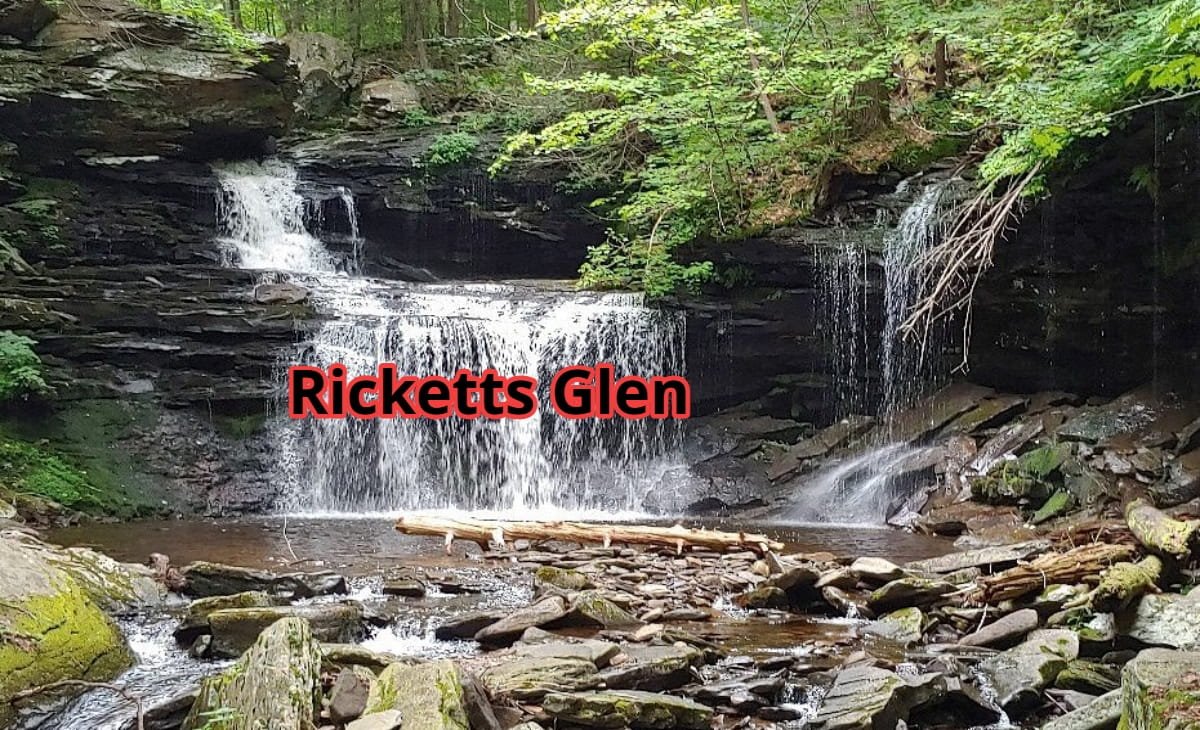
Ricketts Glen Guide: Waterfalls, Trails & Tips
If you’re researching Ricketts Glen, you’re likely asking one main question: Is it really worth the hike? After visiting multiple times in different seasons, I can confidently say yes but only if you understand what you’re getting into.
Many online guides show beautiful waterfall photos but skip the practical details. The steep stone staircases. The slippery rocks. The crowded fall weekends. The limited cell service. These details matter.
Located in northeastern Pennsylvania, Ricketts Glen State Park is one of the most iconic waterfall destinations in the state. With 21 named waterfalls along the famous Falls Trail, it offers one of the most concentrated waterfall hikes in the eastern United States. This guide is designed to help you plan smarter, hike safer, and enjoy the park fully without surprises.
What Is Ricketts Glen?
Ricketts Glen State Park spans more than 13,000 acres across Luzerne, Sullivan, and Columbia counties. The park is part of Pennsylvania’s Endless Mountains region and features old-growth forest, glacial lakes, and a dramatic series of waterfalls carved into deep rock gorges.
The Falls Trail System is the park’s highlight. This 7.2-mile loop passes through two primary glens Ganoga Glen and Glen Leigh where waterfalls cascade down ancient rock formations.
Ganoga Falls, the tallest waterfall in the park at 94 feet, is the centerpiece. But what makes this hike unique is not just one waterfall, it’s the continuous sequence. Within minutes of starting, you encounter waterfall after waterfall.
The waterfall area has been recognized as a National Natural Landmark by the U.S. National Park Service, a designation given only to areas of exceptional natural value.
Why Ricketts Glen Is So Popular
Ricketts Glen stands out because it delivers a “big national park” experience within a state park setting. Visitors often compare the density of waterfalls to parts of the Smoky Mountains.
The popularity comes from three key factors:
First, the scenery is dramatic and consistent. You’re not hiking miles for one viewpoint you’re surrounded by cascading water for much of the trail.
Second, the trail is physically engaging. It’s not a flat nature walk. The elevation changes, stone staircases, and narrow sections make it feel adventurous.
Third, it’s accessible. There’s no entrance fee for day use, and it’s within driving distance of major cities like Philadelphia and New York.
However, popularity also means crowds especially during peak foliage in October and summer weekends.
Understanding the Falls Trail: Terrain and Difficulty
The Falls Trail Loop is rated difficult to strenuous for many hikers. While 7.2 miles may not sound extreme, the elevation changes and constant stone steps increase the intensity.
In my experience, the most challenging section is the initial descent if you start clockwise from the Lake Rose parking area. The stairs are steep and uneven. Going counterclockwise shifts the challenge to a long uphill climb at the end.
The trail surface includes wet rocks, moss, exposed roots, and narrow cliffside paths. Proper hiking boots with strong traction are essential. This is not a trail for flip-flops or smooth-soled sneakers. If you’re new to hiking, consider hiking a partial section instead of the full loop.
Best Time to Visit Ricketts Glen
Each season offers a completely different experience.
Spring is arguably the best time for waterfall volume. Snowmelt and rainfall make the cascades powerful and dramatic. The downside is mud and slippery terrain.
Summer brings lush greenery and warmer temperatures. Water flow decreases slightly, but the forest canopy provides shade. Arriving before 8 AM is strongly recommended to secure parking.
Fall is the most photogenic season. The colorful foliage surrounding the glens creates breathtaking views. October weekends are extremely busy.
Winter transforms the waterfalls into frozen sculptures. Ice formations hang dramatically from the cliffs. However, the park requires ice traction devices during winter conditions for safety.
Before any visit, check updates from the Pennsylvania Department of Conservation and Natural Resources (DCNR) for trail conditions and safety notices.
Real Challenges Most Guides Don’t Mention
One of the biggest mistakes visitors make is underestimating the physical demand.
After hiking the full loop, many people report knee strain due to steep descents. Trekking poles can significantly reduce impact.
Hydration is another common issue. There are no water stations along the Falls Trail. Bring enough water, especially in warmer months.
Parking fills quickly during peak season. When lots are full, park officials may temporarily limit access.
Cell service is limited in the deeper sections of the glens. Download maps in advance and do not rely solely on live GPS navigation.
Benefits of Visiting Ricketts Glen
Beyond scenery, hiking here provides real physical and mental benefits.
The varied terrain improves cardiovascular endurance and balance. Navigating uneven stone steps strengthens stabilizing muscles.
Exposure to natural environments has been linked by institutions like Harvard Medical School to reduced stress and improved mental well-being.
Personally, I find the sound of rushing water in Ganoga Glen particularly calming. It creates natural white noise that makes the outside world feel distant.
It’s more than a hike, it’s a reset.
Step-by-Step Planning Guide
Start by reviewing the official park website for current trail conditions.
Choose your hiking direction. If you prefer descending first, go clockwise. If you prefer climbing early, go counterclockwise.
Pack essentials: sturdy boots, at least 1.5–2 liters of water per person, energy snacks, and weather-appropriate layers.
Arrive early especially during summer and fall weekends.
Take breaks at wider waterfall viewing areas like Ganoga Falls or Harrison Wright Falls.
Follow Leave No Trace principles. Stay on marked trails to protect fragile moss and plant life.
Photography and Content Creation Tips
Early morning light provides softer contrast for waterfall photography. A tripod allows long-exposure shots that create the silky water effect.
If you’re creating a guide for your website, consider including:
A trail elevation chart
A seasonal comparison photo gallery
A parking map
A labeled waterfall map
Visual aids significantly improve user experience and engagement.
Common Myths About Ricketts Glen
One myth is that it’s a casual family-friendly stroll. While families can visit, the full Falls Trail requires moderate fitness and caution.
Another myth is that summer is the best season. In reality, late spring often offers stronger waterfall flow and fewer crowds.
Some assume it’s safe in any footwear. The trail demands proper traction and preparation.
Frequently Asked Questions
How long does the Falls Trail take?
Most hikers complete the 7.2-mile loop in 3.5 to 5 hours.
Is Ricketts Glen beginner-friendly?
Partial sections are suitable for beginners, but the full loop requires moderate fitness.
Are dogs allowed?
Yes, dogs are permitted but must be leashed.
What is the tallest waterfall?
Ganoga Falls is the tallest at 94 feet.
Is there an entrance fee?
No. Day use at Pennsylvania state parks is free.
Conclusion
Ricketts Glen offers one of the most concentrated and scenic waterfall hiking experiences in the northeastern United States. It challenges you physically, rewards you visually, and offers genuine immersion in nature.
The key is preparation. Wear proper footwear. Start early. Bring enough water. Respect the terrain. If you’re planning a Pennsylvania outdoor adventure, Ricketts Glen deserves a top spot on your list. Ready to go? Plan smart, hike prepared, and experience one of Pennsylvania’s most unforgettable natural treasures.