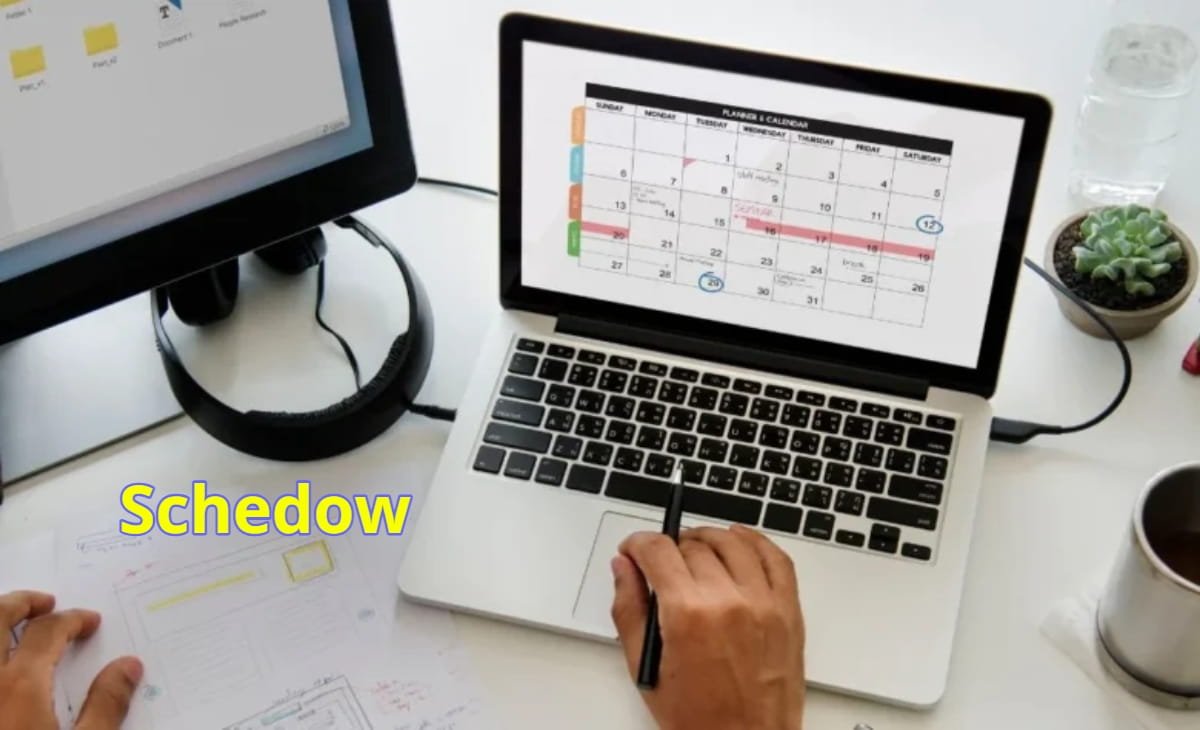
Schedow: Meaning, Benefits, and Complete Practical Guide
If you’ve searched for schedow, chances are you’re looking for clarity. The term is gaining attention, yet detailed, structured explanations are still limited. That creates confusion but it also creates opportunity.
In my experience working with freelancers, startup founders, and content teams, I’ve seen a consistent problem: people don’t struggle because they lack tasks; they struggle because they lack structure. Calendars are full. To-do lists are endless. Productivity apps are installed. Yet results remain inconsistent.
Schedow is emerging as a solution to that gap. This article explains what schedow means, why it matters, how it works in practice, its real-world applications, common misconceptions, and a step-by-step guide to implementing it effectively. If you’re serious about improving how you manage time and performance, this guide will give you practical insight not generic advice.
What Is Schedow?
Schedow is a structured scheduling framework that integrates time management, priority mapping, and energy-based planning into one cohesive system. Unlike traditional scheduling methods that focus only on placing tasks into available time slots, schedow considers three essential elements:
First, the importance of the task in relation to long-term goals.
Second, the mental or physical energy required to complete it.
Third, the strategic value of completing it at a specific time.
In simple terms, schedow is not just about organizing time. It is about optimizing performance. It shifts scheduling from reactive planning to intentional design.
Why Schedow Matters in Modern Work Culture
Today’s work environment is fast, demanding, and distraction-heavy. Many professionals feel busy all day but accomplish very little meaningful progress. According to research shared by the American Psychological Association, workplace stress continues to affect productivity, focus, and long-term performance. Much of that stress stems from poorly structured workloads.
Schedow addresses this issue by creating clarity before execution begins. Instead of reacting to emails, notifications, and sudden tasks, a schedow system builds a controlled workflow that protects high-impact work. From my own observation working with digital teams, the difference becomes visible within weeks. Teams that implement structured scheduling frameworks reduce missed deadlines, experience fewer last-minute crises, and maintain better energy balance.
Core Principles Behind Schedow
Schedow operates on several foundational principles that separate it from basic calendar use.
Energy-Based Planning
Not every hour in the day carries equal mental strength. Most people experience peak cognitive performance during specific windows. Schedow identifies these peak hours and reserves them for deep, high-impact work.
Lower-energy periods are assigned to administrative or routine tasks. This prevents burnout and improves output quality.
Priority Layering
Tasks are categorized into structured levels:
Strategic tasks that directly influence long-term growth.
Progress-driven tasks that support development.
Maintenance tasks that keep systems running.
Low-impact tasks that can be delegated or delayed.
This hierarchy prevents urgent but minor tasks from overtaking important goals.
Focused Execution Blocks
Schedow discouraged multitasking. Instead, it promotes defined time blocks with clear outcomes. Each block has a measurable objective, ensuring progress rather than motion.
Weekly Strategic Review
The system is not static. A weekly review session ensures alignment between daily activities and bigger objectives. Adjustments are made before problems accumulate.
Benefits of Implementing Schedow
When applied correctly, schedow provides measurable advantages. One of the first benefits is reduced decision fatigue. When your week is pre-structured around priorities and energy cycles, you eliminate constant micro-decisions about what to do next.
Another significant benefit is improved deep work capacity. Focused time blocks protect creative and strategic thinking, which often gets disrupted in traditional scheduling methods. Schedow also supports long-term growth. Many professionals stay busy but stagnate because their schedules prioritize urgency over importance. This framework flips that pattern. Finally, it enhances stress control. Structured planning reduces last-minute overload and builds realistic expectations into your workflow.
Common Challenges and Misconceptions
Like any structured system, schedow is sometimes misunderstood. One common myth is that it requires rigid control over every minute. In reality, schedow builds flexibility into the framework. It allocates buffer periods for unexpected interruptions.
Another misconception is that it works only for corporate environments. In practice, freelancers, students, creators, and entrepreneurs often benefit even more because they manage multiple responsibilities independently. A real challenge, however, is consistency. The first two weeks require discipline. Without regular review sessions, the system can weaken.
Real-World Applications of Schedow
Schedow adapts well to different professional contexts. In content marketing teams, it helps separate strategic planning from production execution. Strategy sessions are placed during peak cognitive hours, while editing or formatting tasks are scheduled during moderate energy periods. For entrepreneurs, schedow ensures revenue-generating activities are never overshadowed by administrative tasks.
Students use similar frameworks to allocate high-focus study sessions for complex subjects and lighter periods for revision. To visualize this, imagine a weekly chart divided into energy bands and priority tiers. A color-coded calendar screenshot would effectively demonstrate how high-impact tasks align with peak hours. Such a visual immediately clarifies the difference between random scheduling and structured planning.
Step-by-Step Guide to Implementing Schedow
To apply schedow effectively, follow a structured process.
Start by conducting an energy audit. Track your productivity for one week and identify your strongest focus windows.
Next, categorize your tasks into priority tiers. Be honest about which activities drive long-term results.
Then design your weekly schedule around those two insights. Reserve peak hours for strategic or complex work.
Create defined time blocks with clear outcomes. Avoid vague entries like “Work on project.” Instead, write “Complete project outline draft.”
Add buffer zones between major tasks. These absorb unexpected interruptions without collapsing your system.
Finally, conduct a weekly review session. Adjust based on performance data, not emotion.
This workflow mirrors principles supported by productivity research, including studies from institutions like Harvard University, which emphasize the value of structured time allocation in improving focus and output quality.
Frequently Asked Questions
What does schedow mean?
Schedow refers to a structured scheduling system that integrates energy management, priority mapping, and focused time blocks to improve productivity.
Is schedow different from time-blocking?
Yes. Time-blocking focuses mainly on dividing time, while schedow adds priority layering and energy alignment for better performance outcomes.
Who can use schedow?
Professionals, freelancers, entrepreneurs, students, and teams can all benefit from schedow frameworks.
How long does it take to see results?
Most users notice improved clarity and focus within two to three weeks of consistent application.
Does schedow require special software?
No. It can be implemented using simple tools like digital calendars, spreadsheets, or productivity apps.
Conclusion
Schedow is not a trend. It is a structured response to modern productivity challenges. If you often feel busy but not productive, overwhelmed despite planning, or stuck despite effort, schedow offers a practical framework to regain control. Its strength lies in intentional design. By aligning tasks with energy, layering priorities, and protecting deep work, it transforms scheduling into a performance system.
If you’re serious about improving your workflow, start with a one-week energy audit and redesign your calendar using schedow principles. For deeper productivity strategies, consider exploring related guides on structured planning systems or workflow optimization techniques on your site. You can also test the framework with a digital calendar tool and adjust weekly for refinement. The real difference comes from implementation. Start small. Stay consistent. Measure progress. Your schedule should serve your goals not control them.